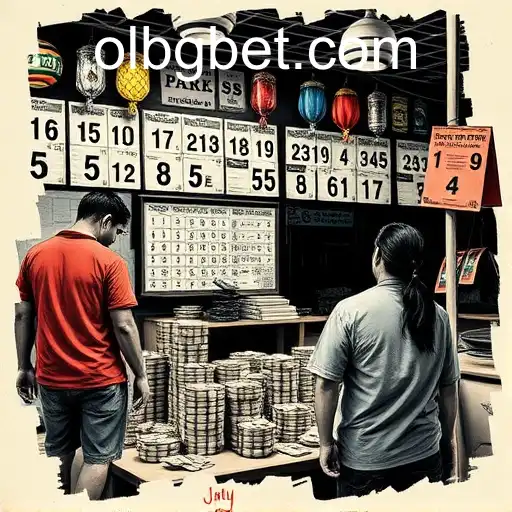
The Origins and Evolution of Jueteng
Jueteng is a widely known illegal numbers game that has ingrained itself into the fabric of Filipino society. Originating during the Spanish colonial period, Jueteng has evolved into a cultural phenomenon, deeply rooted in the everyday lives of many Filipinos. The game operates on a simple premise - participants pick a combination of numbers, often ranging from 1 to 37, and if their chosen numbers match the draw, they win a monetary prize. Despite its simplicity, the operation and influence of Jueteng are anything but straightforward.
Understanding the Mechanics of Jueteng
Jueteng thrives on organization and structure. The game is typically run by a jueteng lord, an individual who orchestrates the entire operation. Under the jueteng lord are the cabo (managers) and cobradores (collectors), who collect bets from participants at grassroots levels. This hierarchy ensures the efficient collection of bets and distribution of winnings.
The game relies heavily on secrecy and trust. Players submit their bets to cobradores, who tally the numbers and money before forwarding them to the cabo. The winning numbers are usually drawn behind closed doors, with results disseminated through informal networks, often by word of mouth. This shadowy operation underscores the clandestine nature of Jueteng and its evasion from law enforcement.
The Social and Economic Impact
Jueteng extends beyond mere gambling; it is intertwined with socio-economic realities in the Philippines. For many, Jueteng is a daily source of hope and potential financial relief. Participants often come from low-income backgrounds, viewing the game as a pragmatic approach to escape economic hardships. In regions with limited employment opportunities, the game generates a modest income for those involved in its operation, from jueteng lords to cobradores.
However, the economic impact is double-edged. While it provides temporary financial windfalls for players and operators, it diverts money from essential needs and services. Critics argue that Jueteng perpetuates a cycle of poverty, with hopefuls often spending significant portions of their meager earnings on bets, chasing elusive wins.
Political Entanglements
Jueteng's reach extends into the political arena, where its influence has been both profound and contentious. Throughout history, numerous political figures have been implicated in Jueteng scandals, accused of receiving protection money in exchange for turning a blind eye to its operation. These entanglements have often resulted in political upheavals, leading to investigations and public outcry.
The involvement of politicians is due partly to the political capital that jueteng lords offer. With their vast financial resources and wide networks, jueteng lords can mobilize voters, providing crucial support during elections. As a result, a symbiotic relationship exists between some political figures and jueteng operators, with the latter offering monetary support in exchange for political protection.
Legal Challenges and Enforcement
Efforts to eradicate Jueteng have been met with varied success. The game is illegal under Philippine law, yet enforcement has been inconsistent. Corruption within law enforcement agencies poses a significant barrier, with some officials allegedly accepting bribes to overlook operations. The deeply rooted nature of the game in local culture also complicates eradication efforts, as communities often rally to protect jueteng operators, viewing them as benefactors.
Various administrations have launched initiatives to combat Jueteng, yet these efforts have often amounted to temporary disruptions rather than permanent solutions. Public scandals and exposés occasionally lead to heightened enforcement, but sustained efforts are required to make a significant impact.
Alternatives and Regulation
One proposed solution to curb Jueteng is the regulation and legal integration of similar games, thereby redirecting funds towards legal forms of gambling that contribute to government revenues. The Philippine Charity Sweepstakes Office (PCSO) offers legal alternatives like Small Town Lottery (STL), which mimics Jueteng's format but is regulated and taxed. While STL aims to offer a legal avenue, it has encountered resistance due to issues of trust and perceived fairness compared to Jueteng's established systems.
Cultural Significance
Beyond its economic and political implications, Jueteng holds a cultural significance in Filipino society. It represents the duality of hope and desperation, embodying the Filipino spirit of resilience amidst adversity. Its narratives are passed through generations, often romanticized in literature and media.
The cultural acceptance of Jueteng is evident in the community interactions it fosters. It serves as a social glue in many localities, with neighbors gathering in anticipation of results, collaborating in stakes, and sharing both triumphs and losses. This collective experience also complicates attempts to dismantle the game, as communities often perceive it as a harmless, integral tradition rather than a criminal act.
Conclusion
Ultimately, Jueteng remains a complex element of Filipino life, reflecting broader socio-economic and political dynamics. While it provides temporary escapes from financial pressure, it simultaneously entraps many in cyclical poverty. The entwined relationships between Jueteng operators and political figures further highlight systemic issues within governance and law enforcement.
Addressing Jueteng requires a multifaceted approach that considers legal reforms, cultural shifts, and economic development. It challenges stakeholders to balance regulation with cultural sensitivity, all while striving to mitigate the adverse effects entrenched in its perpetuation.